
Most of us have a drawer, cupboard, loft or garage filled with items we rarely use but somehow cannot bring ourselves to part with. Whether it’s old clothes, childhood memorabilia, unused kitchen gadgets or boxes that haven’t been opened in years, clutter is something that affects millions of households across the UK.
But clutter isn’t simply about being untidy. In many cases, our attachment to possessions is deeply connected to emotions, memories and even our sense of identity.
Understanding the psychology behind clutter can help us make better decisions about what we keep, what we let go of and how we create a healthier living environment. Whether you’re preparing for a house move, downsizing, renovating or simply looking to create more space, understanding why clutter accumulates is the first step towards tackling it.
What Is Clutter?
Clutter is generally defined as an excess of possessions that create disorder or make a space less functional. However, clutter means different things to different people. One person’s treasured collection may be another person’s unnecessary accumulation.
The issue arises when possessions begin to:
- Take up valuable living space
- Cause stress or anxiety
- Make cleaning and organising difficult
- Create safety hazards
- Prevent a home from functioning effectively
When clutter reaches this point, it can affect both physical and mental wellbeing.

Why Do We Hold Onto Things?
There are several psychological reasons why people struggle to let go of possessions.
Emotional Attachments
Many items become linked to significant life events, relationships or memories.
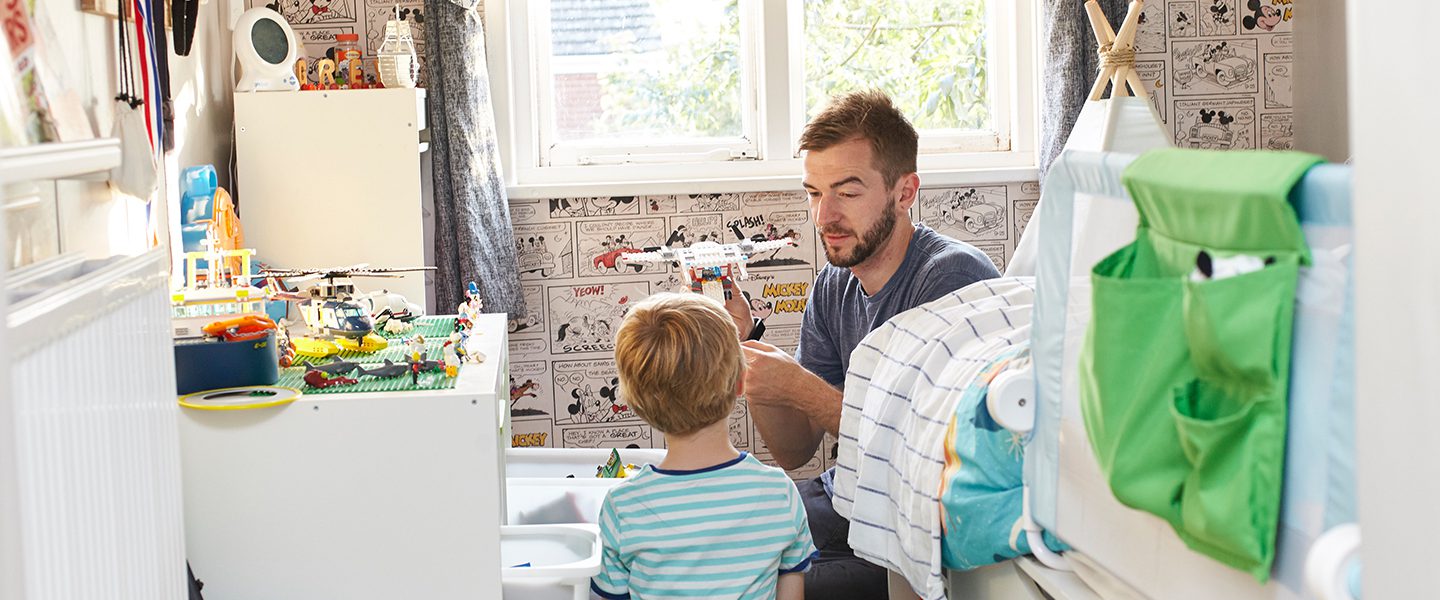
An old concert ticket may remind us of a special night. A piece of furniture may have belonged to a loved one. Children’s toys often represent important stages of family life.
While these objects may have little practical value, their emotional significance can make them difficult to part with.
Fear of Future Need
One of the most common reasons people keep clutter is the belief that they might need something someday.
This “just in case” mindset leads people to store:
- Old electronics
- Spare furniture
- Clothing that no longer fits
- Duplicate household items
The reality is that many of these items remain untouched for years.
The Sunk Cost Effect
People often feel reluctant to dispose of something they paid good money for. Even when an item is no longer useful, the thought of wasting the original investment can make it difficult to let go. However, keeping an unused item does not recover the money already spent.
Identity and Self-Image
Possessions often become linked to who we believe we are.
Books we intend to read, hobbies we hope to pursue and clothing from a previous lifestyle can all represent versions of ourselves we don’t want to lose. Decluttering can therefore feel like giving up part of our identity, even when the items no longer serve a purpose.
How Clutter Affects Mental Wellbeing
Research consistently shows that clutter can contribute to feelings of stress and overwhelm.
When our surroundings are disorganised, our brains receive constant visual reminders of unfinished tasks and decisions.
Common effects include:
- Increased stress levels
- Reduced focus and concentration
- Difficulty relaxing
- Feelings of guilt or frustration
- Lower productivity
By contrast, organised spaces often promote calmness, clarity and a greater sense of control.
The Hidden Costs of Clutter
Many people underestimate the true cost of holding onto unnecessary possessions.
Financial Costs
Clutter can lead to:
- Larger storage requirements
- Additional moving costs
- Purchasing duplicates of items that can’t be found
- Reduced property appeal when selling
Time Costs
The average person spends significant time searching for misplaced items, organising possessions and maintaining storage spaces.
Emotional Costs
Perhaps the greatest cost is the ongoing mental burden that clutter creates.
A crowded environment can make even simple tasks feel more difficult.
Why Decluttering Before a House Move Makes Sense
Moving home provides an excellent opportunity to reassess what you own.
Many people unknowingly transport boxes of items they haven’t used for years, only to store them again in their new property.
Decluttering before moving offers several advantages:
- Fewer items to pack
- Reduced moving costs
- Faster unpacking
- More organised new home
- Less stress throughout the moving process
At A&M Removals, we regularly help customers who are preparing for a move and want to streamline their belongings before moving day. Reducing unnecessary items can make the entire relocation process significantly smoother.
A Simple Step-by-Step Decluttering Guide
If the idea of decluttering feels overwhelming, start small.
Step 1: Start With One Area
Choose a single drawer, cupboard or shelf.
Avoid attempting to tackle the entire house in one day.
Small wins build momentum.
Step 2: Use the Four-Box Method
Create four categories:
- Keep
- Donate
- Sell
- Dispose
Every item must be assigned to one category.
Step 3: Ask Key Questions
For each item, ask:
- Have I used this in the last 12 months?
- Would I buy it again today?
- Does it serve a purpose?
- Does it genuinely bring me joy?
If the answer is no, it may be time to let it go.
Step 4: Focus on Function Over Emotion
Try to separate the memory from the object.
Photographs can often preserve memories without requiring physical storage.
Step 5: Set Realistic Goals
Even 15 to 30 minutes of decluttering per day can lead to significant progress over time. Consistency matters more than intensity!

The Benefits of Decluttering
The rewards extend far beyond a tidier home.
Many people experience:
More Space
Rooms become more functional and easier to enjoy.
Reduced Stress
An organised environment often feels calmer and more manageable.
Easier Cleaning
Less clutter means fewer surfaces to clean and maintain.
Improved Productivity
Clear spaces often support clearer thinking.
Better Moving Experience
When it comes time to move, fewer possessions mean less work and less expense.
How A&M Removals Can Help
Decluttering and moving often go hand in hand.
At A&M Removals, we understand that relocating is more than simply transporting boxes from one address to another. It’s often an opportunity for a fresh start.
Whether you’re downsizing, upsizing, moving office or relocating your family home, our experienced team can help make the process easier and more organised. By taking the time to declutter before your move, you’ll save time, reduce stress and ensure you’re only bringing the items that truly matter into your new space.
Our professional removals team works with customers throughout the moving process, helping create a smoother, more efficient transition from one home to the next. Whether you need help with your house move or office relocation services, or professional packing services, we can help.

Quick Round Up!
Clutter isn’t simply a storage problem. It’s often rooted in emotions, habits and psychological attachments that affect how we view our possessions.
Understanding the psychology of clutter allows us to make more intentional decisions about what we keep and what we let go.
Whether you’re preparing for a move, creating more space for your family or simply looking to improve your home environment, decluttering can have a positive impact on your wellbeing, productivity and quality of life.
If you’re planning a move and want expert support along the way, A&M Removals is here to help make the process as straightforward and stress-free as possible.
Decluttering FAQs
Why do people become attached to clutter?
People often associate possessions with memories, identity and emotional experiences, making it difficult to let them go.
How do I start decluttering my home?
Start with one small area, use a keep-donate-sell-dispose system and focus on making gradual progress.
Does decluttering reduce stress?
Many people find that reducing clutter creates a calmer, more organised living environment that helps reduce feelings of overwhelm.
Should I declutter before moving house?
Yes. Decluttering before moving can reduce packing time, lower moving costs and make settling into your new home much easier.
Request a free removals quote…