The Ultimate Moving House Checklist in York & Yorkshire (2026 Guide)
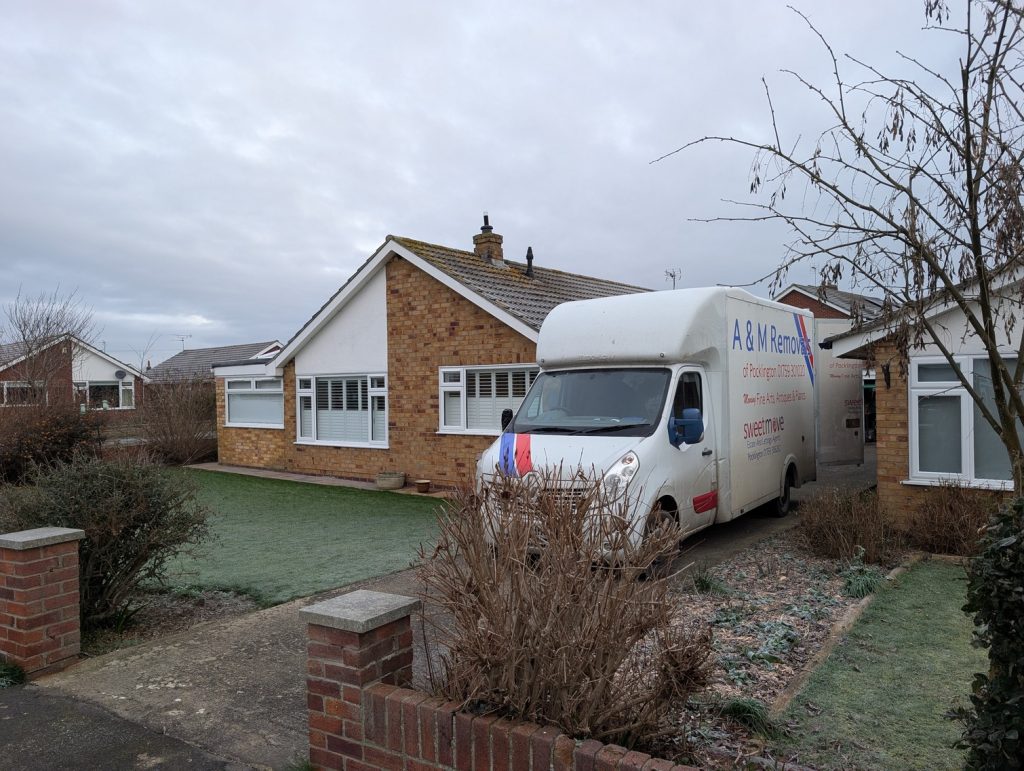
A&M Removals loading up in Wheldrake, York. A full pack and move to Dorset!
Moving house in York or across Yorkshire can feel overwhelming, but with the right checklist, you can stay organised and stress-free from start to finish.
At A&M Removals, we’ve helped customers move home across York, Leeds, Harrogate, Selby and surrounding areas. Whether you’re moving locally or relocating across the UK, this moving house checklist for York and Yorkshire will guide you through every stage – before, during and after your move.
Moving House Checklist at a Glance
8–12 weeks before moving
☐ Confirm your moving date ☐ Get removal quotes ☐ Declutter ☐ Start planning your packing ☐ Arrange storage if required
6–8 weeks before
☐ Book your removal company ☐ Order boxes and packing materials ☐ Start packing non-essential items ☐ Notify important organisations of your move
2–4 weeks before
☐ Arrange utilities ☐ Arrange broadband ☐ Arrange Royal Mail redirection ☐ Confirm removals arrangements ☐ Plan parking and access
1 week before
☐ Finish most packing ☐ Prepare your essentials box ☐ Confirm keys and completion arrangements ☐ Clean the property ☐ Prepare appliances and furniture
Moving day
☐ Keep documents and valuables with you ☐ Take meter readings ☐ Check every room, cupboard and loft ☐ Make sure windows and doors are secure ☐ Keep keys and important paperwork safe
After moving
☐ Update your address ☐ Register for council tax ☐ Check utilities ☐ Update driving licence and vehicle documents ☐ Unpack essentials first
8–12 Weeks Before Moving House
8–12 Weeks Before Moving House
If you’ve got a couple of months before moving day, now is the ideal time to get organised. Starting early means you can deal with the bigger jobs gradually rather than trying to do everything in the final few days.
Confirm Your Completion and Moving Date
If you’re buying or selling a property, keep in regular contact with your solicitor or conveyancer and confirm your expected completion date as soon as you can. Once your date is confirmed, you can start arranging everything else around it.
Start Researching Removal Companies
Don’t leave choosing a removal company until the last minute. Look for an experienced, reputable company with good reviews and the services you need. Check whether they offer packing, storage or specialist removals if required.
Get 2–3 Removal Quotes
Getting a few quotes gives you a better idea of what your move is likely to cost and allows you to compare what’s included. Make sure you’re comparing like-for-like services rather than simply choosing the cheapest price.
Tip: Tell the removal company about anything that could affect the job, such as stairs, narrow access, large furniture or difficult parking.
Work Out What You Actually Need to Move
Moving is a great opportunity to have a proper clear-out. Go through each room and decide what is genuinely coming with you. There’s little point paying to transport things you no longer want or use.
Declutter
Start with areas that tend to accumulate belongings, such as the loft, garage, cupboards and spare room. Work through the house gradually rather than leaving everything until moving week.
Decide What You’re Selling, Donating or Discarding
Create separate piles for things you want to sell, donate, recycle or throw away. Selling unwanted furniture and other items could even help towards your moving costs, while donating usable belongings gives them a new home.
Consider Whether You Need Storage
If there’s a gap between moving out and moving into your new home, or you’re downsizing, renovating or simply don’t have room for everything immediately, consider arranging storage in advance.
Start a Moving Budget
Moving costs can quickly add up. As well as your removal company, remember to budget for packing materials, storage, cleaning, travel, utility connections and any other costs associated with your move.
Measure Large Furniture
Before moving day, measure large items such as sofas, wardrobes, beds and dining tables. Make sure they’ll fit through the doors, hallways and staircases at your new property.
This is particularly important if you’re moving into an older property, apartment or home with restricted access.
Check Access at the New Property
Think about how the removal vehicle will reach your new home. Are there narrow roads, restricted parking, gates, steps or a long driveway? If you’re moving into a city-centre property, check whether parking restrictions or permits could affect the removal.
Tell your removal company about any access issues before moving day. It allows them to plan the move properly and avoid unnecessary delays.
Your 8–12 Week Checklist
☐ Confirm your completion/moving date ☐ Research removal companies ☐ Get 2–3 removal quotes ☐ Decide what you’re actually moving ☐ Start decluttering ☐ Sell, donate or dispose of unwanted items ☐ Consider whether you need storage ☐ Set a realistic moving budget ☐ Measure large furniture ☐ Check access and parking at your new home
Check Furniture Will Fit
Before moving day, measure large furniture such as sofas, wardrobes, beds and dining tables. Check doorways, staircases and hallways at the new property, particularly if you’re moving into an older house or a property with restricted access.
6–8 Weeks Before Moving
Start Packing
non-essential items first
books
ornaments
seasonal clothing
spare kitchen equipment
loft contents
garage contents
Label Every Box
Write the room and a brief description of the contents on every box. For example: Kitchen – mugs and glasses rather than simply “Kitchen”. Don’t put just “Kitchen” on 15 boxes.
4 Weeks Before Moving: Change Your Address
About a month before moving day, start working through your change of address checklist. There are more organisations to notify than you might think, and doing it now means you’re less likely to forget something in the rush of moving week.
Who Should You Tell You’re Moving?
Make a list and work through it systematically:
Bank and building society – update your correspondence address.
Credit card providers – remember to update each card separately if necessary.
Insurance companies – including home, car, life and other policies.
Employer – make sure your payroll and employment records have your new address.
HMRC – update your address if you’re registered for Self Assessment or other HMRC services.
DVLA – update the address on your driving licence and vehicle records.
GP and dentist – particularly important if you’re moving outside your current area.
School or nursery – tell them about your new address and check whether anything else needs updating.
Subscriptions – magazines, meal deliveries, memberships and other regular services.
Online shopping accounts – update your default delivery address on sites you regularly use.
Pension providers – make sure important correspondence continues to reach you.
Friends and family – don’t forget to let the people who regularly send you post know where you’ve moved.
Arrange Royal Mail Redirection
Even if you’ve remembered to update everyone, it’s worth arranging Royal Mail redirection. It provides an extra safety net by forwarding post sent to your old address to your new one for the period you choose.
This is particularly useful because you may still receive letters from organisations you didn’t realise had your old address.
Tip: Keep a note of any post that is redirected. If something arrives at your new address with your old details, use it as a reminder to update that organisation.
Your 4-Week Address Checklist
☐ Bank and building society ☐ Credit card providers ☐ Insurance companies ☐ Employer ☐ HMRC ☐ DVLA ☐ GP ☐ Dentist ☐ School or nursery ☐ Subscriptions and memberships ☐ Online shopping accounts ☐ Pension providers ☐ Friends and family ☐ Arrange Royal Mail redirection
Don’t try to remember everything at once. Keep this list handy and tick each organisation off as you update your details.
2 Weeks before Moving Day
With just two weeks to go, the big decisions should already be made. Now is the time to confirm the details, finish the majority of your packing and make sure there are no last-minute surprises.
Confirm Your Removal Company
Contact your removal company to confirm that everything is still booked and that they have the correct details for both properties. Let them know about any changes to your plans, furniture or access arrangements.
Confirm the Moving Date
Double-check your moving date, particularly if you’re buying or selling a property and your move depends on completion. If anything changes, let your removal company know as soon as possible.
Confirm the Arrival Time
Find out when your removal team is expected to arrive and make sure you know how you’ll be contacted if there are any delays or changes on the day.
Check Parking and Access
Make sure there is suitable access for the removal vehicle at both properties. Consider parking restrictions, narrow roads, permits, gates, stairs and any other potential problems.
If necessary, arrange parking or contact the relevant local authority about permits or restrictions well before moving day.
Finish Most of Your Packing
By two weeks before the move, most non-essential items should be packed. Leave out only the things you still need for everyday life.
Don’t forget less obvious areas such as:
Loft
Garage
Shed
Garden
Spare rooms
Cupboards and drawers
Tip: Clearly label every box with the room it belongs in and a brief description of what’s inside. This will make unpacking much easier.
Dispose of Unwanted Items
Don’t move things you no longer want. Use these final two weeks to sell, donate, recycle or dispose of anything you’ve decided not to take with you.
This is also a good time to arrange collection of larger unwanted items rather than leaving everything until moving day.
Defrost the Freezer
If you’re taking your freezer with you, arrange to defrost it before moving day. Ideally, empty it and allow enough time for it to fully defrost and dry.
Wash and Dry Appliances
Clean and dry washing machines, dishwashers and other appliances before they’re moved. Make sure appliances are properly disconnected and prepared for transportation.
For washing machines, remember to fit the transit bolts if required by the manufacturer.
Separate Valuables and Important Documents
Keep passports, birth certificates, financial documents, jewellery, medication, keys and other valuable or important items separate from your removal boxes.
Ideally, these should travel with you rather than going into the removal vehicle.
Arrange Pet Care if Necessary
Moving day can be noisy and busy, with doors opening and closing and furniture being carried around. If possible, arrange for pets to stay with family, friends or a suitable pet-care provider during the move.
This keeps them safe and reduces the risk of them becoming stressed or escaping.
Arrange Childcare if Necessary
If you have young children, consider arranging childcare for moving day. A busy house full of boxes, furniture and people coming in and out can be difficult to manage safely.
Having children looked after for the day can make the move easier for everyone.
Your 2-Week Moving Checklist
☐ Confirm your removal company ☐ Confirm the moving date ☐ Confirm the removal team’s arrival time ☐ Check parking and access at both properties ☐ Finish most of your packing ☐ Clear out unwanted items ☐ Defrost the freezer ☐ Wash and dry appliances ☐ Separate valuables and important documents ☐ Arrange pet care if necessary ☐ Arrange childcare if necessary
You’re nearly there! Once these jobs are ticked off, you’ll be able to concentrate on the final preparations and getting ready for moving day.
1 Week Before Moving House
The final week is here! By now, most of the big jobs should be done. This week is about finishing the packing, keeping the things you’ll need close at hand and making sure all the practical details are ready for moving day.
Pack an Essentials Box
Put together a box or bag containing everything you’ll need as soon as you arrive at your new home. Keep it somewhere easily accessible rather than packing it deep inside the removal van.
Include things such as:
Tea, coffee and drinks
Snacks
Mugs and basic kitchen items
Toilet roll
Hand soap
Towels
Basic cleaning products
Bin bags
Phone chargers
Basic tools
Children’s essentials
Pet supplies
Tip: Clearly label it “OPEN FIRST” so you can find it immediately.
Pack an Overnight Bag
Prepare an overnight bag as though you’re staying away for a night. Include a change of clothes, toiletries, pyjamas and anything else you’ll need for the first evening and following morning.
If you have children, pack a separate bag for each child with their clothes, toiletries and favourite comfort items.
Keep Medication Accessible
Don’t pack medication into a removal box. Keep prescriptions and any essential medication with you so they’re available throughout the journey and when you arrive.
Charge Phones and Power Banks
Moving day can involve a lot of calls, messages and coordination, so make sure everyone’s phones are fully charged. Charge any power banks too and keep chargers somewhere easy to find.
Keep Important Documents Together
Keep passports, property documents, insurance paperwork, financial documents, driving licences and other important paperwork together in one secure place.
Take these with you rather than putting them into the removal van.
Finish Packing
Aim to have almost everything packed by the end of the week. Leave out only the items you’ll need for the final few days.
Label boxes clearly with the room and contents to make unpacking easier.
Clean as Rooms Become Empty
Cleaning as you finish each room is much easier than leaving the whole house until the last minute. Give empty rooms, cupboards and floors a final clean once they’re cleared.
You may also want to arrange cleaning at your new property before your belongings are fully unpacked, if possible.
Make Sure the Keys Are Available
Confirm how and when you’ll receive the keys to your new property. If you’re selling your current home, make sure you know where the keys need to be left or handed over.
If someone else is collecting or handing over keys on your behalf, make sure everyone knows exactly what has been agreed.
Check Access and Parking Arrangements
Do one final check of access at both properties.
Make sure your removal company knows about:
Parking restrictions
Permits
Narrow roads
Gates
Stairs
Lifts
Long driveways
Any difficult or restricted access
If anything has changed since you received your removal quote, tell the removal company now rather than waiting until moving day.
Your 1-Week Moving Checklist
☐ Pack an essentials box ☐ Pack an overnight bag ☐ Keep medication accessible ☐ Charge phones and power banks ☐ Keep important documents together ☐ Finish packing ☐ Clean as rooms become empty ☐ Make sure keys are available ☐ Check access and parking arrangements
You’re almost ready! Keep the final few days as simple as possible and avoid leaving major jobs until moving day itself. The more organised you are now, the smoother your move is likely to be.
What to Pack in Your Moving Day Essentials Box
After a long day of moving, the last thing you want is to open box after box looking for the kettle, toilet roll or phone charger!
An essentials box contains the things you’ll need as soon as you arrive at your new home. Pack it separately from your other belongings and make sure it’s easy to find. Packing tips guide.
What Should Go in Your Moving Day Essentials Box?
☐ Kettle You’ll probably want a cup of tea or coffee before you’ve even started unpacking.
☐ Tea and coffee Don’t forget milk, sugar or whatever else you normally use.
☐ Mugs Pack enough for everyone in the household.
☐ Bottled water and snacks Moving is tiring work, so keep drinks and easy-to-eat snacks available throughout the day.
☐ Toilet roll It’s one of those things that’s easy to forget — and one of the first things you’ll need!
☐ Toiletries Include soap, toothbrushes, toothpaste, deodorant and anything else you’ll need that evening and the following morning.
☐ Towels Keep a towel for each member of the household accessible.
☐ Phone chargers Your phone is likely to be working overtime on moving day, so make sure chargers are easy to find.
☐ Basic cleaning products A few essentials such as cloths, kitchen roll, disinfectant and surface cleaner can be extremely useful when you arrive.
☐ Bin bags You’ll probably produce plenty of rubbish as you unpack, so have some ready.
☐ Basic tools A screwdriver, hammer, tape measure and other basic tools can be invaluable when putting furniture back together or dealing with small jobs.
☐ Medication Keep any essential medication with you rather than packing it away.
☐ Important documents Passports, property paperwork, insurance documents and other important paperwork should stay with you.
☐ Change of clothes Moving day
Moving House in York & Yorkshire
Moving in York can present some challenges that don’t always apply to larger, newer developments. City-centre properties may have restricted parking, narrow streets, limited access and busy pedestrian areas, while rural properties around Yorkshire can present different access issues.
If you’re moving from or to a city-centre property, check where the removal vehicle can park and whether there are restrictions on access. For rural properties, make sure the removal team knows about narrow lanes, gates, steep driveways or other access issues before moving day.
A&M Removals provides house removals across York, North Yorkshire, East Yorkshire and surrounding areas.
15 Things People Commonly Forget When Moving House
Meter readings
Taking photographs of meters
Defrosting the freezer
Emptying the loft
Checking the garden shed
Checking the garage
Redirecting post
Changing insurance details
Updating the DVLA
Moving broadband
Finding the stopcock
Taking keys out of windows/doors
Keeping chargers accessible
Keeping medication with you
Checking every cupboard before leaving
Before the Removal Team Arrives
☐ Keep valuables with you ☐ Keep important documents with you ☐ Keep your essentials box accessible ☐ Make sure pathways are clear ☐ Protect children and pets from the moving activity ☐ Keep keys accessible
Before Leaving Your Old Home
☐ Check every room ☐ Check cupboards ☐ Check wardrobes ☐ Check loft ☐ Check garage/outbuildings ☐ Take meter readings ☐ Photograph meter readings ☐ Close windows ☐ Turn off appliances ☐ Lock doors ☐ Hand over keys
Why You Need a Moving House Checklist
When moving house, it’s easy to forget important tasks – especially when dealing with packing, paperwork and deadlines.
A clear checklist helps you:
Stay organised and on schedule
Reduce stress and last-minute issues
Keep your belongings safe
Save time and money
If you’re planning a house move in York, Hull or Yorkshire, preparation is key to a smooth experience.
Before the Move: Planning Your Move in York
Book a Removals Company in York Early
If you’re moving in or around York, it’s important to book your removals company at least 4–6 weeks in advance.
This is especially important during busy periods such as:
summer months
end of tenancy dates
school holidays
A&M Removals provides reliable house removals in York and across Yorkshire, helping you secure your moving date and avoid last-minute stress.
Declutter Before You Move
Whether you’re moving from a flat in York city centre or a house in Harrogate, decluttering will make your move easier.
Sort your items into:
Keep
Donate
Dispose
Less clutter = lower moving costs and faster packing.
Get Packing Supplies Ready
Make sure you have:
Strong removal boxes
Bubble wrap and packing paper
Tape and labels
Clearly label boxes with both contents and room names.
We offer packing services and FREE BOXES across York and Yorkshire, saving you time and effort.
Moving house can be exciting for children, but it can also be unsettling — particularly if they’re leaving behind a familiar home, school or friends. A little preparation can make moving day much easier for everyone.
Involve Them in the Planning
Where appropriate, involve your children in the move. Let them help choose things for their new bedroom, look at photos of the new house or help decide where some of their belongings will go. Giving them some involvement can help make the move feel like something they’re part of rather than something that’s simply happening to them.
Keep Favourite Toys Accessible
Don’t pack favourite toys, comforters or other important items at the bottom of a removal box. Keep a few familiar things with you so your child has something comforting and familiar throughout the move.
Pack an Overnight Bag
Prepare a separate bag for each child containing clothes, toiletries, pyjamas, medication, snacks and anything else they’ll need for the first night. This saves you having to search through boxes when you arrive at your new home.
Explain What Will Happen on Moving Day
Talk through moving day beforehand so your children know what to expect. Explain that the removal team will be carrying furniture and boxes out of the old house, you’ll travel to the new house and their belongings will arrive later.
For younger children especially, knowing what is going to happen can make the day feel much less confusing.
Arrange Childcare if Possible
Moving day can be busy, noisy and potentially hazardous, with furniture and boxes being carried in and out of the property. If possible, arrange for younger children to stay with family or friends for at least part of the day. This allows them to enjoy a calmer day while giving you and the removal team more space to work safely.
Set Up Their Bedroom Early
If possible, make setting up your child’s bedroom a priority when you arrive. Having their bed, favourite toys and familiar belongings in place can help the new house start to feel like home.
Moving with children doesn’t have to be stressful. With a little preparation, you can make the experience more positive and give them plenty of reassurance throughout the move.
Planning a family move? A&M Removals can help make moving day easier, from careful packing and loading to transporting and unloading your belongings.
15 Things People Commonly Forget When Moving House
You’ve packed the boxes, booked the removal company and you’re ready to go — but moving house involves a surprising number of small jobs that are easy to overlook. Here’s our checklist of 15 things people commonly forget when moving house.
1. Take Meter Readings
Take photographs of your gas, electricity and water meters on moving day. Keep the readings somewhere safe in case you need them later.
2. Check the Loft
It’s surprisingly easy to leave boxes, Christmas decorations and other belongings in the loft. Do a final check before you hand over the keys.
3. Check the Garage, Shed and Outbuildings
Don’t forget garages, sheds, garden storage boxes, workshops and other outside areas. These are often the last places people remember to empty.
4. Empty the Freezer
If you’re taking your freezer with you, remember to defrost it in advance and make sure it’s dry before transporting it.
5. Redirect Your Post
Arrange Royal Mail redirection before you move so important letters don’t continue arriving at your old address.
6. Tell Your Bank and Insurance Companies
Update your address with your bank, credit card providers, home and car insurers and any other financial organisations you deal with.
7. Update Your Driving Licence and Vehicle Details
Remember to update your address with the DVLA if you’re moving permanently. Don’t forget any vehicle registration or insurance details that need changing too.
8. Arrange Your Broadband
Don’t leave broadband until the last minute. Contact your provider well in advance, particularly if you need an installation at your new property.
9. Keep Medication With You
Pack medication in your personal essentials bag rather than putting it into the removal van. Make sure you have enough to cover the move and the first few days afterwards.
10. Keep Important Documents Safe
Passports, birth certificates, house documents, insurance paperwork, financial documents and other important paperwork should travel with you rather than being packed into a removal box.
11. Pack Chargers
Phones tend to be used constantly on moving day, so make sure chargers and power banks are easy to find. You don’t want to be hunting through boxes when your phone battery is running low.
12. Take Your Own Cleaning Supplies
Even if the new property has been cleaned, having basic cleaning products, kitchen roll, cloths and bin bags available can be extremely useful when you arrive.
13. Find the Stopcock and Fuse Box
Once you’re in your new home, find out where the water stopcock, electricity meter, fuse box and boiler controls are. Knowing where they are could save you a lot of hassle later.
14. Check Every Cupboard Before You Leave
Before locking the door for the final time, check every cupboard, drawer and wardrobe. It’s amazing how often something gets left behind simply because it’s out of sight.
15. Keep an Essentials Box With You
Don’t bury the things you’ll need immediately inside the removal van. Keep an essentials box or bag with you containing toiletries, toilet roll, snacks, drinks, basic kitchen items, chargers, medication and a change of clothes.
A final five-minute check
Before leaving your old home for the last time, walk through every room, including the loft, garage, garden and outbuildings. Check the cupboards, take your meter readings, make sure windows and doors are secure and don’t forget the keys.
A little preparation can make moving day considerably less stressful — and help prevent that sinking feeling when you realise you’ve left something behind!
Professional House Removals in York & Yorkshire
At A&M Removals, we provide reliable and professional: