

Moving Pianos at Beverley Minster: A Specialist Removal by A&M Removals
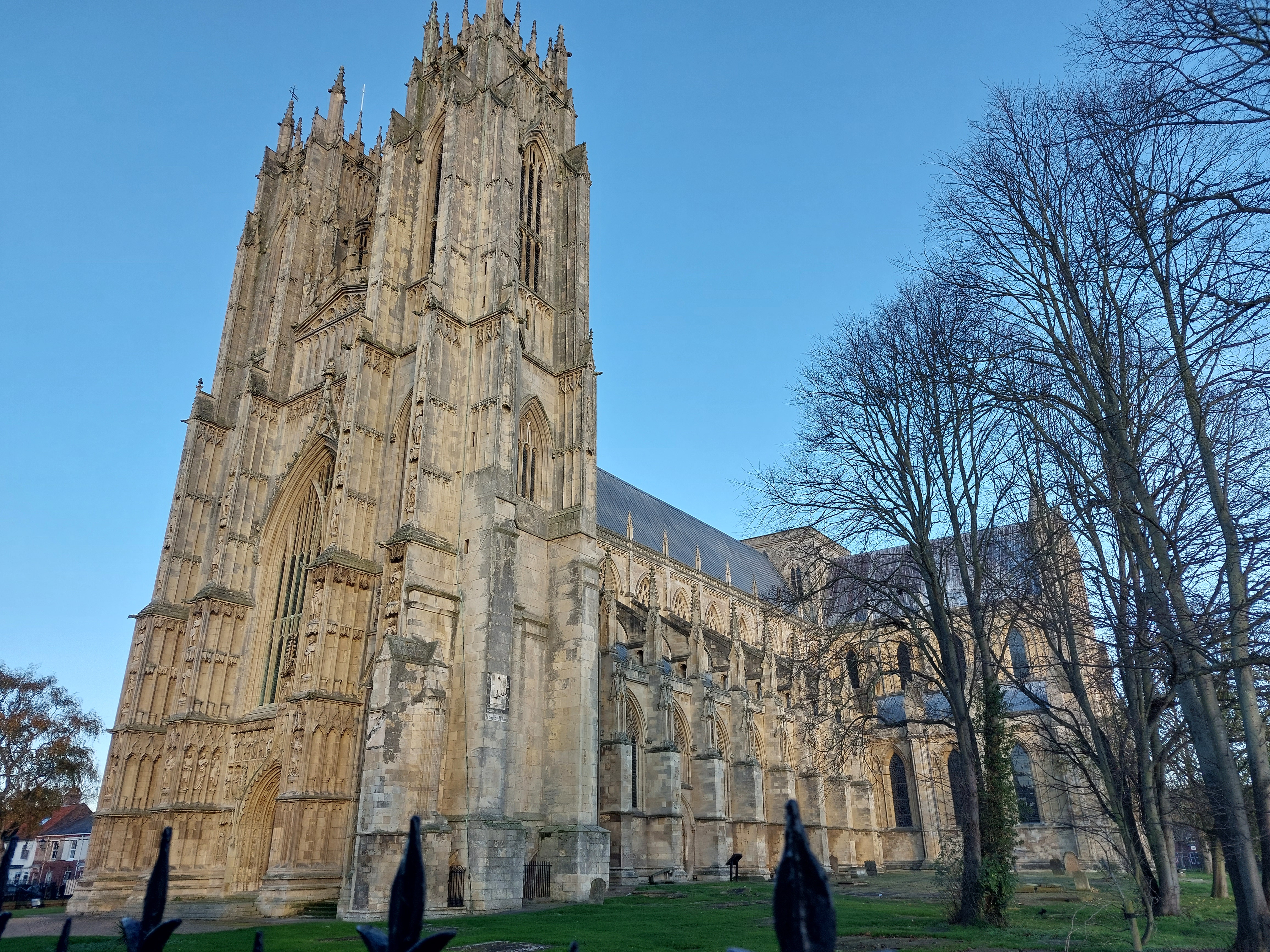
Photo: University of Leeds
Few buildings in East Yorkshire are as iconic as Beverley Minster. With its soaring Gothic architecture, centuries of history and stunning acoustics, it has been at the heart of the community for more than 1,300 years. Originally founded around AD 700 by St John of Beverley, the present Minster began construction in the late 12th century and remains one of the finest examples of Gothic architecture in England. Over the centuries it has welcomed pilgrims, royalty, musicians and visitors from around the world.
Recently, the experienced team at A&M Removals had the privilege of carrying out a specialist piano removal at this remarkable historic building – an operation that required careful planning, specialist equipment and a great deal of respect for one of Yorkshire’s most treasured landmarks.
Protecting History Every Step of the Way
Moving a piano is never straightforward, but moving one from a Grade I listed building is another level entirely.
Historic buildings such as Beverley Minster present unique challenges. Narrow aisles, ancient stone floors, delicate woodwork, steps, uneven surfaces and priceless architectural features all need protecting throughout the move.
Before any lifting began, the A&M Removals team carefully assessed:
- The weight and dimensions of each piano
- The safest removal route through the Minster
- Floor protection requirements
- Doorway and access clearances
- Loading positions for the removal vehicle
- Safe lifting techniques for every stage of the move
Protective coverings were laid where required, specialist piano moving equipment was used throughout, and every movement was completed slowly and methodically to ensure both the instruments and the historic surroundings remained fully protected.
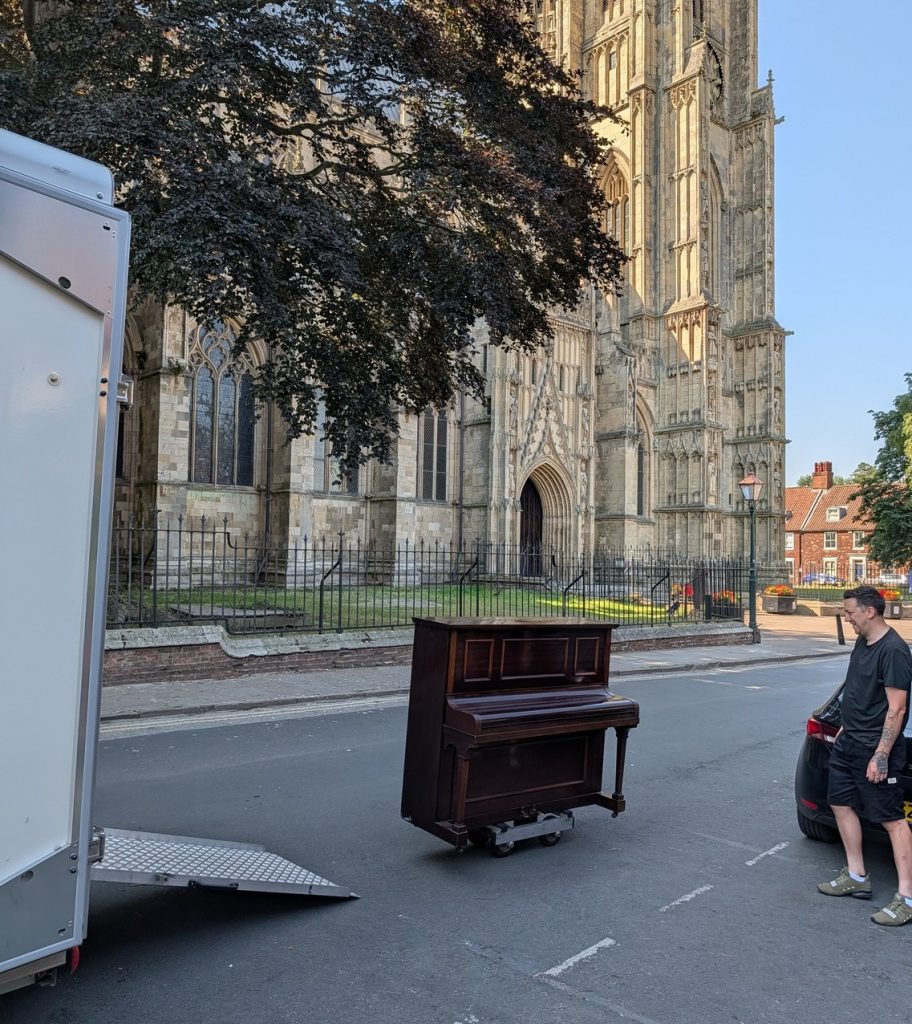
Ready to go!
Precision, Experience and Teamwork
Unlike ordinary furniture, pianos have an uneven weight distribution, with much of the weight concentrated around the cast-iron frame. Grand pianos can weigh several hundred kilograms, while upright pianos remain extremely heavy despite their smaller footprint.
Successful piano removals depend on much more than strength. Experience, communication and planning are essential.
For every move, the team works together to ensure the piano remains stable, level and under complete control from start to finish.
As Nick from A&M Removals explains:
“Moving a piano isn’t simply about lifting something heavy – it’s about protecting an incredibly valuable instrument while also respecting the building you’re working in. Beverley Minster is one of Yorkshire’s most important historic buildings, so every stage of the removal was carefully planned. We’re proud to have completed the move safely and professionally.”
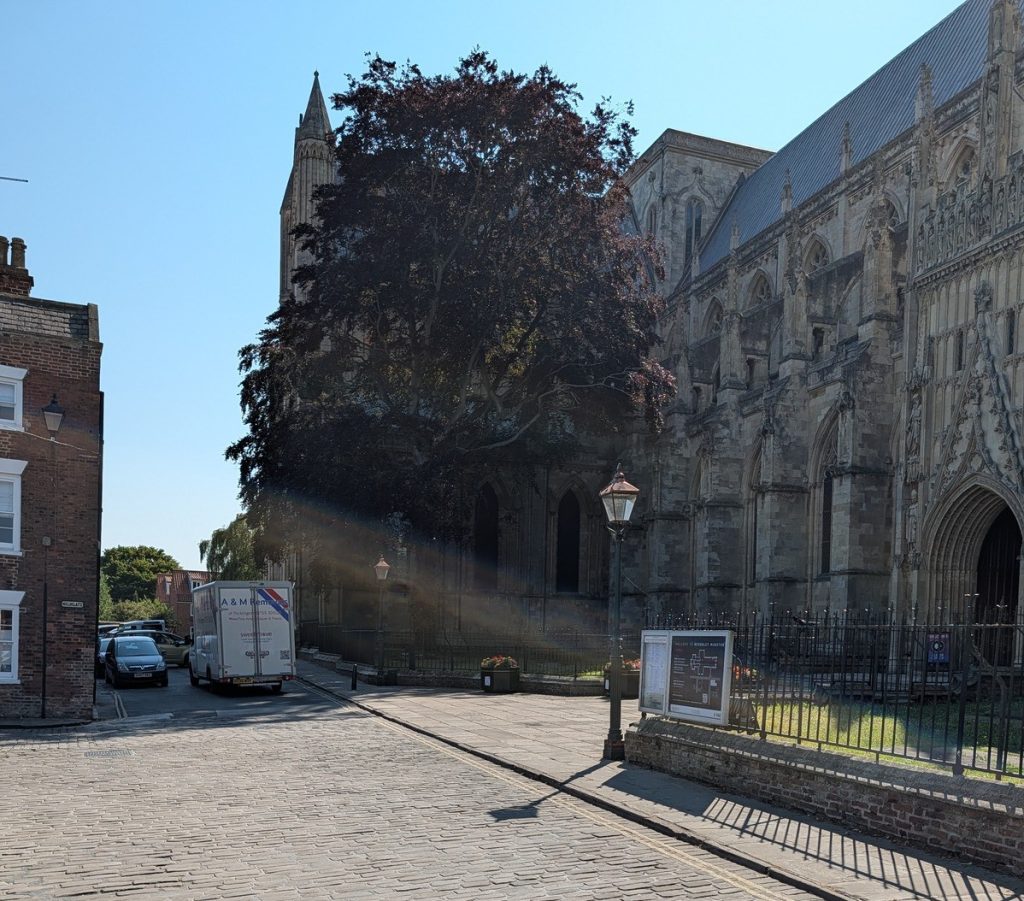
The A&M Removals van leaves Beverley Minster…
Why Beverley Minster is Such a Special Venue
Beverley Minster has been a centre for worship, music and community life for over thirteen centuries. It is renowned not only for its magnificent medieval architecture but also for its outstanding acoustics, making it a popular venue for concerts, choirs and musical performances throughout the year.
Its remarkable history includes surviving the Reformation, extensive Victorian restoration and ongoing conservation work to preserve the building for future generations. The Minster continues to welcome thousands of visitors every year and remains one of East Yorkshire’s greatest architectural treasures.
Working inside such a prestigious building is both a privilege and a responsibility – one that A&M Removals approached with the utmost care.
Questions & Answers About Piano Removals
Can any removal company move a piano?
Not always. Pianos require specialist handling techniques, lifting equipment and experienced movers who understand how to transport them safely without causing damage.
Why are pianos so difficult to move?
Most of a piano’s weight comes from its cast-iron frame, making it extremely heavy and often awkwardly balanced. Their polished finishes and delicate internal mechanisms also require careful protection.
Do you need specialist equipment?
Yes. Professional piano removals typically involve piano skids, heavy-duty straps, protective blankets, specialist trolleys and carefully planned lifting methods depending on the access available.
Can you move a piano from churches and historic buildings?
Absolutely. Historic venues simply require additional planning to protect both the building and the instrument. Every removal is assessed individually before work begins.
Does moving a piano damage it?
When handled correctly by experienced professionals, a piano can be moved safely. It is, however, recommended that the instrument is allowed to acclimatise before being tuned, as changes in temperature and humidity can affect tuning stability.
Trusted Piano Movers Across Yorkshire
From family homes and schools to concert venues, churches and historic buildings, A&M Removals has built a reputation for carrying out complex piano removals with professionalism and care.
Every piano has its own story – and occasionally that story includes a journey through one of Yorkshire’s most historic buildings.
The recent removal at Beverley Minster was a reminder that specialist removals are about far more than transportation. They’re about planning, precision, teamwork and preserving both treasured instruments and the remarkable places that house them.
Whether you’re moving an upright piano across town or relocating a grand piano from a heritage venue, A&M Removals has the experience, equipment and expertise to ensure everything arrives safely.
Here at A&M Removals we are specialist piano removers with almost 40 year’s experience! We regularly move pianos in the following areas…
Piano moves York, Piano moves Pickering, Piano moves Beverley, Piano moves Pocklington, Piano moves Malton, Piano moves Scarborough, Piano moves Hull, Piano moves Market Weighton, Piano moves Hornsea, Piano moves Driffield. In fact, we move pianos nationwide!